 Research Peptides
RESEARCH USE ONLY
Research Peptides
RESEARCH USE ONLY
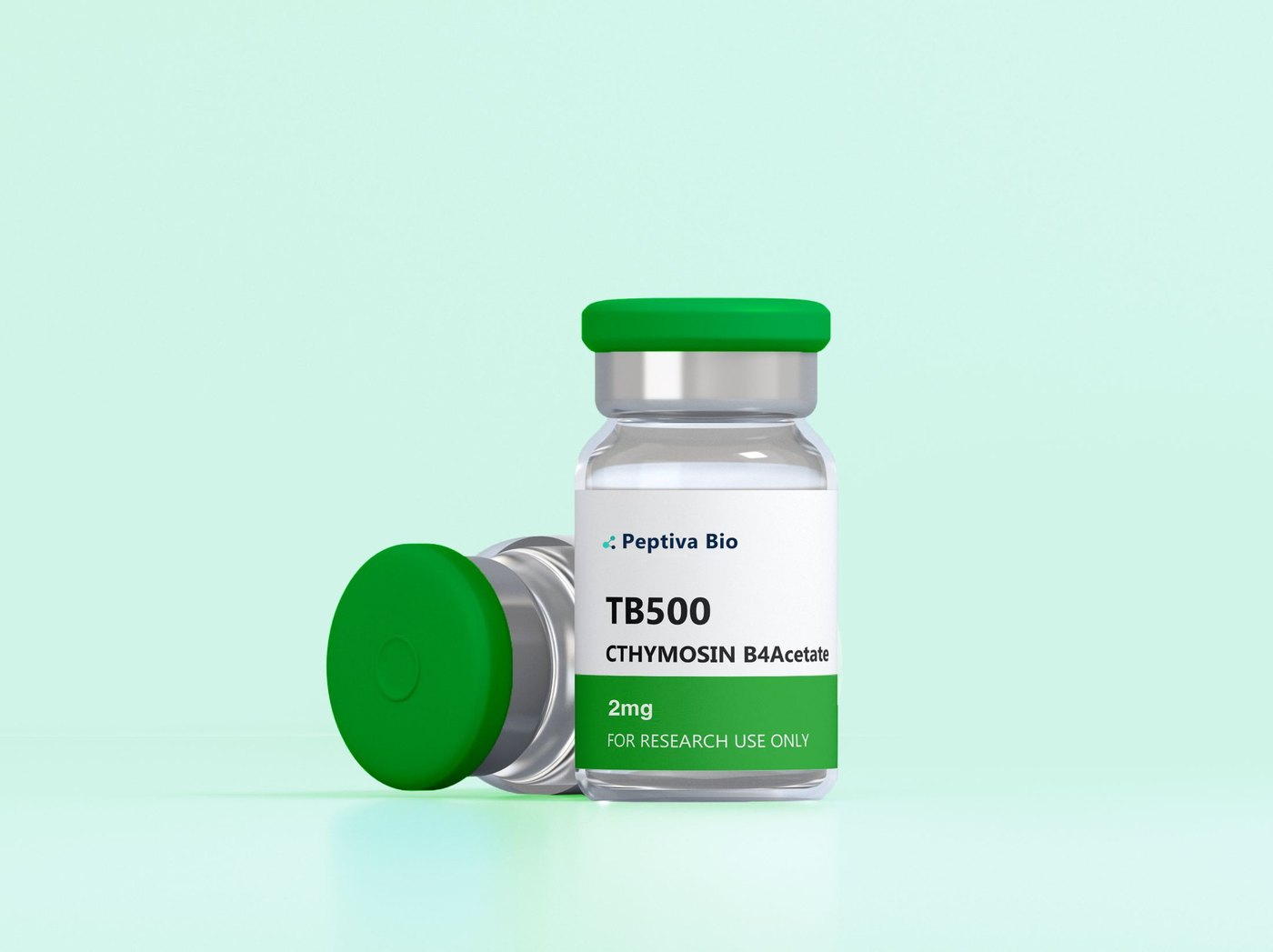
| Ingredients | TB-500 — Ac-LKKTETQ, thymosin beta-4 fragment (17-23) |
|---|---|
| Storage | Store refrigerated at 2–8°C, protected from light. |
| Shelf life | 24 months |
| SKU | Content - Spec | Pack | Price | Stock |
|---|---|---|---|---|
| BT02 | 2mg | 10 vials | $59.00 | In stock |
| BT05 | 5mg | 10 vials | $99.00 | In stock |
| BT10 | 10mg | 10 vials | $169.00 | In stock |
Research reagents are for laboratory and in-vitro research only. Not for human use.
Research reagents are not supplied as medicines and must not be used for diagnosis, treatment, prevention, clinical procedures or self-medication. Product information must not be used as administration or dosing guidance.
For accessories and consumables, follow their own specifications and documented intended use.
TB-500 (Thymosin Beta-4) is a naturally occurring 43-amino acid peptide and the primary actin-sequestering molecule in the body, playing a key role in cell migration, angiogenesis, and tissue repair. By upregulating actin and promoting cell movement, it accelerates wound healing, reduces inflammation via NF-κB downregulation, and supports recovery across multiple tissues. Research shows it promotes cardiac repair and reduces scar size post-myocardial infarction, enhances dermal wound closure, stimulates hair follicle stem cell migration, and demonstrates anti-inflammatory effects. TB-500’s ability to travel systemically makes it effective for both localized and widespread healing applications. It is generally well-tolerated, with occasional mild side effects such as injection-site reactions or lightheadedness, though caution is advised in subjects with existing malignancies due to its pro-angiogenic properties. It is widely researched for musculoskeletal injuries, wound healing, cardiac repair, and synergistic use with BPC-157.
Promotes cell migration and angiogenesis; accelerates wound healing; reduces inflammatory response; improves muscle and soft tissue repair; enhances tissue regeneration capacity.
2–3 times per week, 2–4 mg per dose, administered subcutaneously or intramuscularly, for a cycle of 4–6 weeks.
Individuals requiring tissue repair; those with sports injuries or in post-operative recovery; patients with chronic wounds.